Deploying a PHP CodeIgniter 4 application to SAP BTP Cloud Foundry
A Step-by-Step Guide to Building, Configuring, and Scaling Your CodeIgniter 4 App on SAP BTP Cloud Foundry
Deploying a PHP CodeIgniter application to SAP BTP (Business Technology Platform) Cloud Foundry involves several steps. Here's a general guide to help you through the process:
Prepare Your CodeIgniter Application:
Make sure your CodeIgniter application is properly configured and works locally.
Ensure that your application adheres to the structure and requirements of Cloud Foundry deployments.
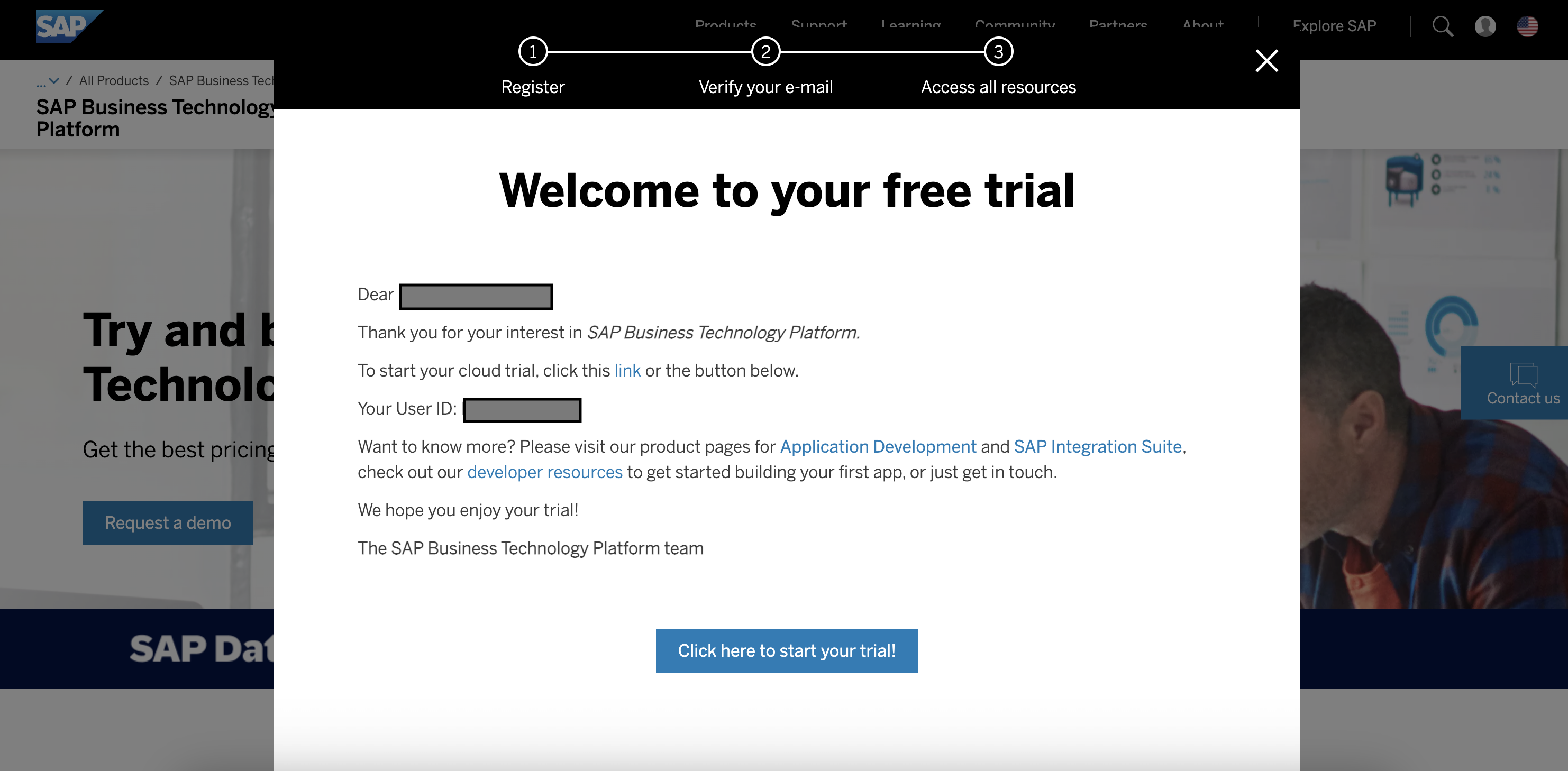
Create a SAP BTP Account:
If you haven't already, sign up for an account on SAP BTP.
Access the Cloud Foundry environment from the SAP BTP cockpit.
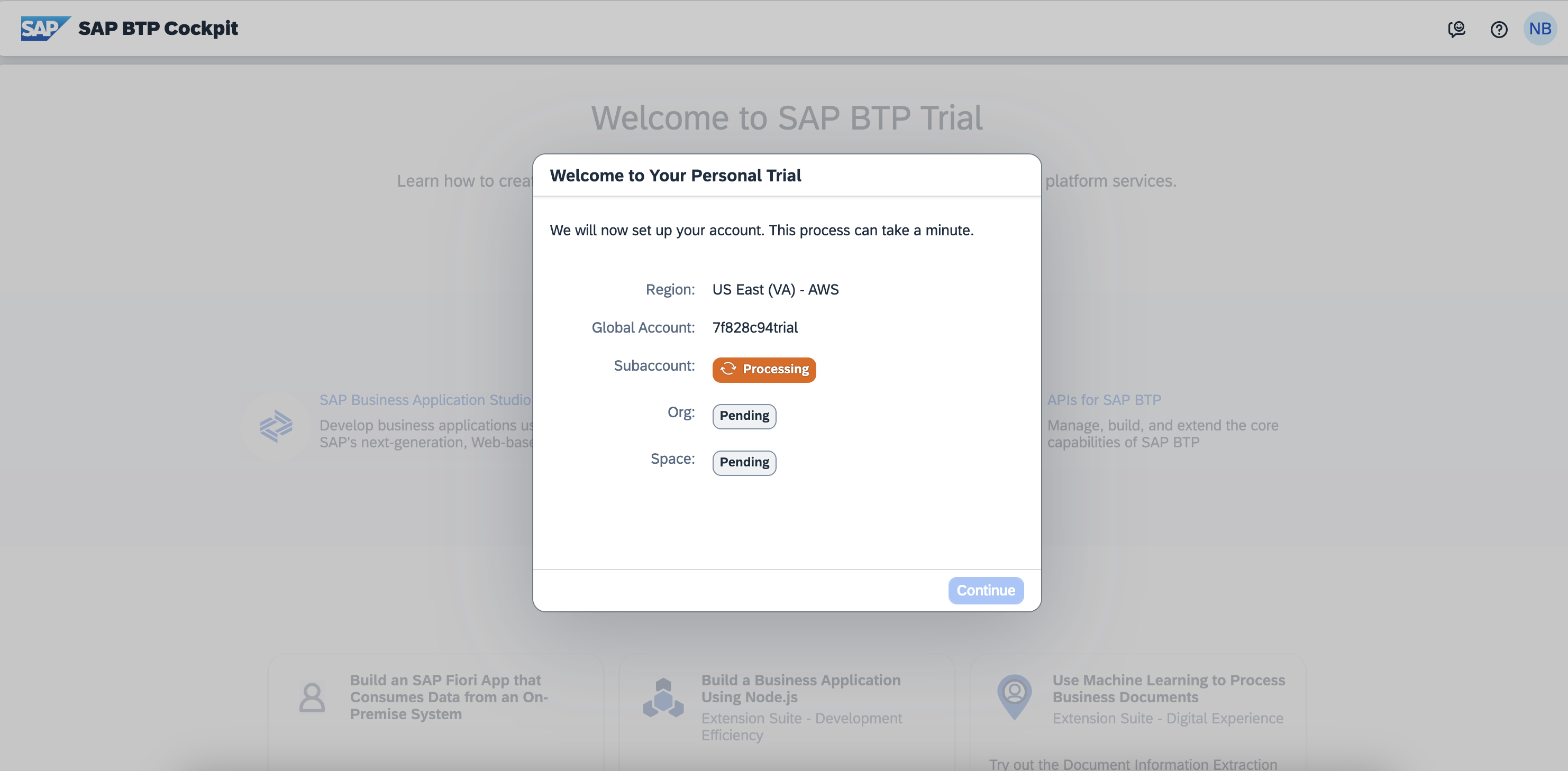
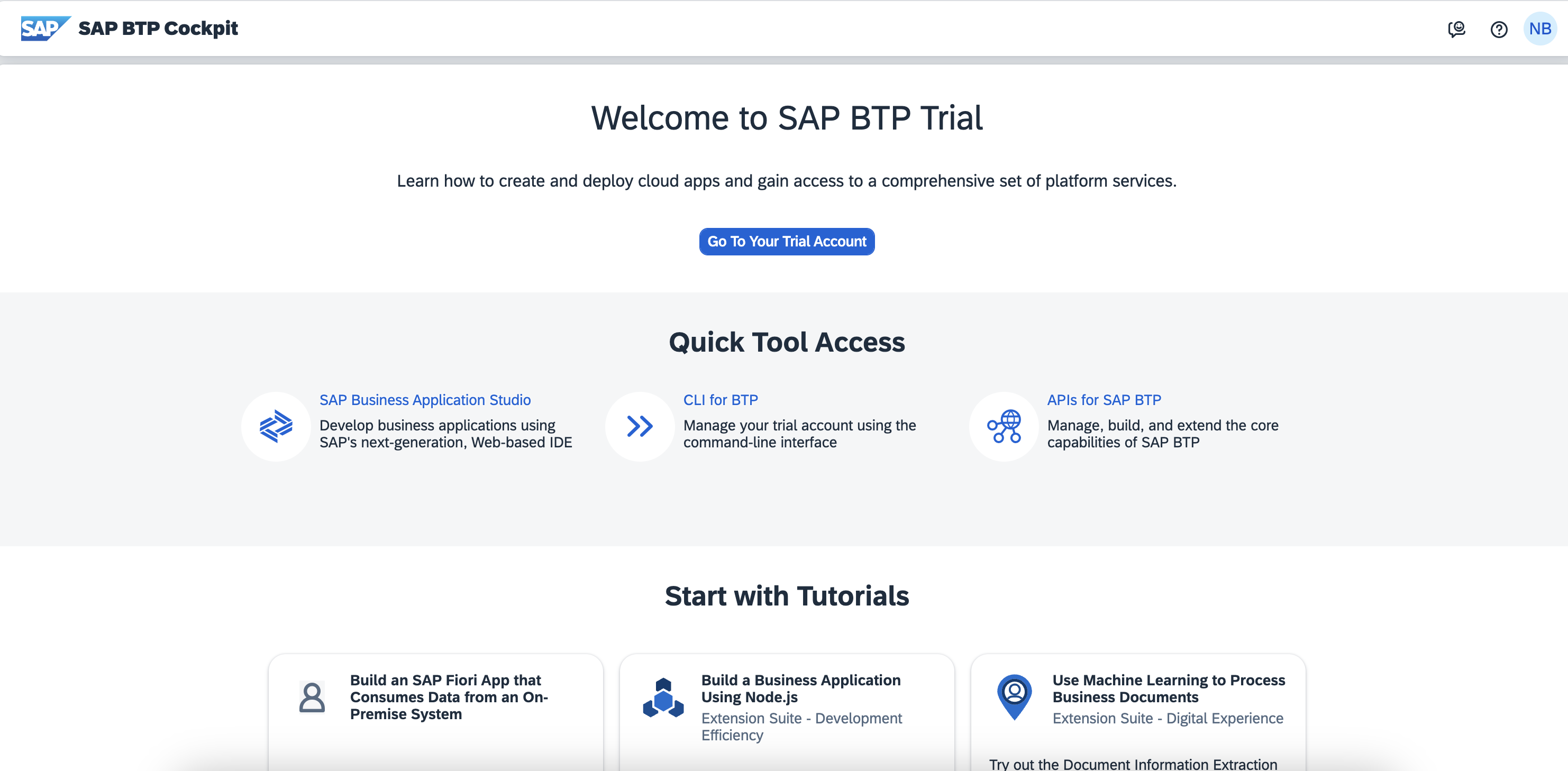
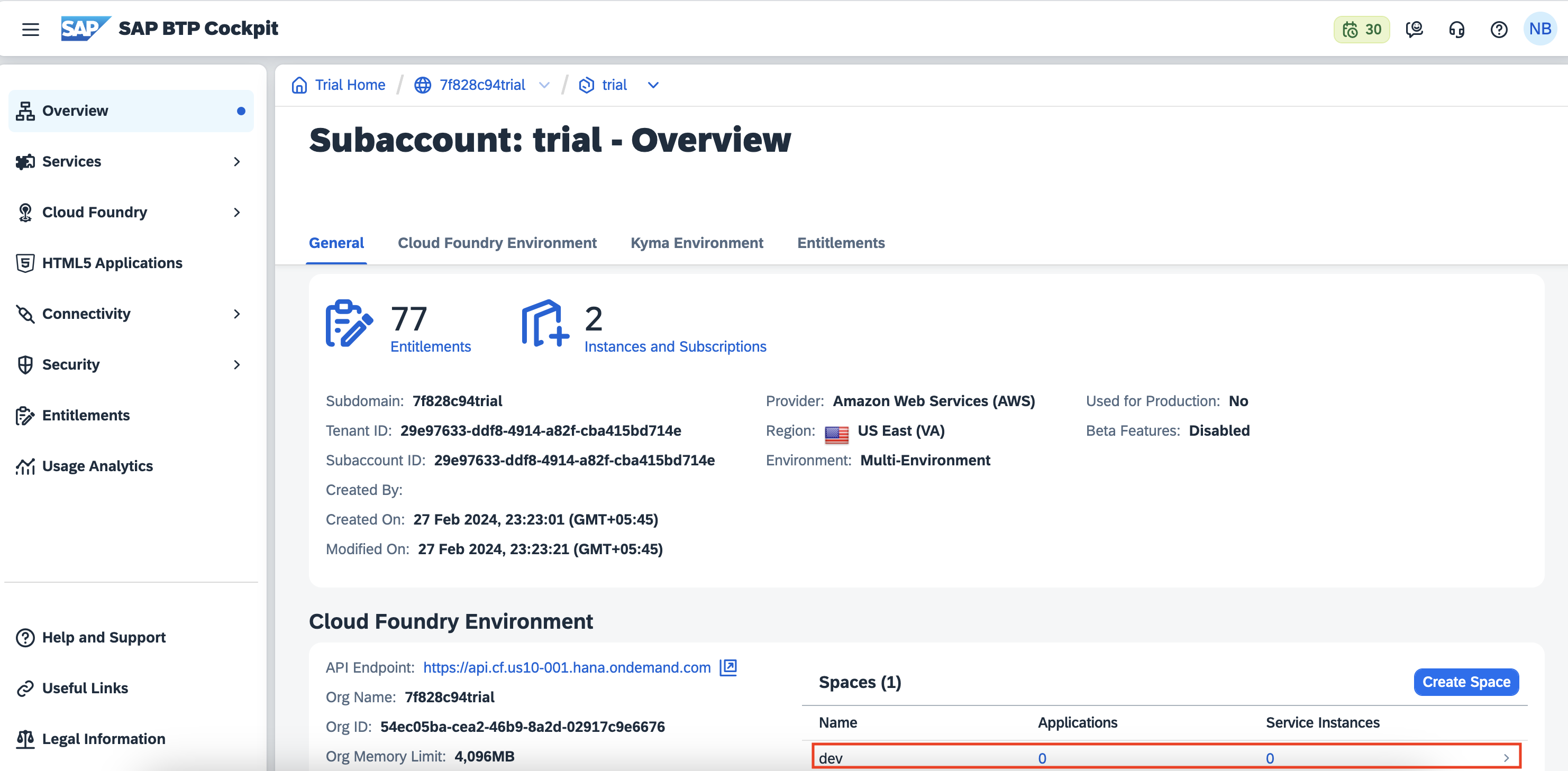
Install Cloud Foundry CLI:
Download and install the Cloud Foundry Command Line Interface (CLI) if you haven't already. This tool will allow you to interact with the Cloud Foundry environment from your terminal.
You can download the CLI for Windows or Mac by visiting the following link: Cloud Foundry CLI Downloads
Login to Cloud Foundry:
Use the Cloud Foundry CLI to login to your SAP BTP account:
cf login -a <API endpoint> -u <username> -p <password>
Prepare Your Application for Deployment:
Create a
manifest.ymlfile in the root directory of your CodeIgniter application. This file will contain configuration settings for your application deployment.applications: - name: your-app-name instances: 1 memory: 256MB buildpacks: - https://github.com/cloudfoundry/php-buildpack.git path: path/to/your/app disk: 256MB
Deploy Your Application:
Use the Cloud Foundry CLI to deploy your application:
cf push your-app-name
Access Your Application:
- Once the deployment is successful, you should be able to access your application using the URL provided by SAP BTP Cloud Foundry.
Configure Environment Variables (if necessary):
- If your application requires environment variables for configuration, you can set them using the Cloud Foundry CLI or through the SAP BTP cockpit.
Monitoring and Scaling:
- Monitor your application's performance and scale it as needed using the SAP BTP dashboard or Cloud Foundry CLI commands.
Troubleshooting:
If you encounter any issues during deployment, check the logs using:
cf logs <app-name> --recentMake sure your application dependencies are properly specified and compatible with the Cloud Foundry environment.
By following these steps, you should be able to successfully deploy your PHP CodeIgniter application to SAP BTP Cloud Foundry. Remember to consult the official SAP BTP documentation for any platform-specific instructions or updates.
About the author
- With over a decade of experience, I currently serve as Lead - Technology & Innovation Engineering at Exalogic Consulting, spearheading initiatives to integrate emerging technologies into RealCube’s solutions. My focus lies in evaluating and embedding AI and blockchain capabilities, modernizing technology stacks, and enhancing product scalability and market competitiveness. Skilled in emerging technologies, cloud architecture, and system design, I collaborate with cross-functional teams to deliver innovative solutions that align with business goals. My work centers on designing proofs-of-concept and implementing cutting-edge advancements that drive measurable value for stakeholders.
Comments
Join the discussionNo comments yet. Be the first to comment.
DevOps Insights: From Basics to Production
A DevOps series covering fundamentals to advanced concepts including CI/CD, Docker, Kubernetes, cloud deployments, monitoring, and real-world production practices. Designed for developers and engineers who want to build, automate, and scale modern applications efficiently.